

December 10, 2025
Climate Change Inequality: Lessons from Paris and Barcelona
What does collaborative journalism truly look like? Does participatory journalism really work? Here is an example in action. As Europe faces hotter summers, a new investigation by Unbias The News reveals a hidden crisis: indoor heat inequality. In neighborhoods across Paris and Barcelona, residents in poorly insulated homes endure temperatures up to 50 °C indoors, […]
What does collaborative journalism truly look like? Does participatory journalism really work? Here is an example in action.
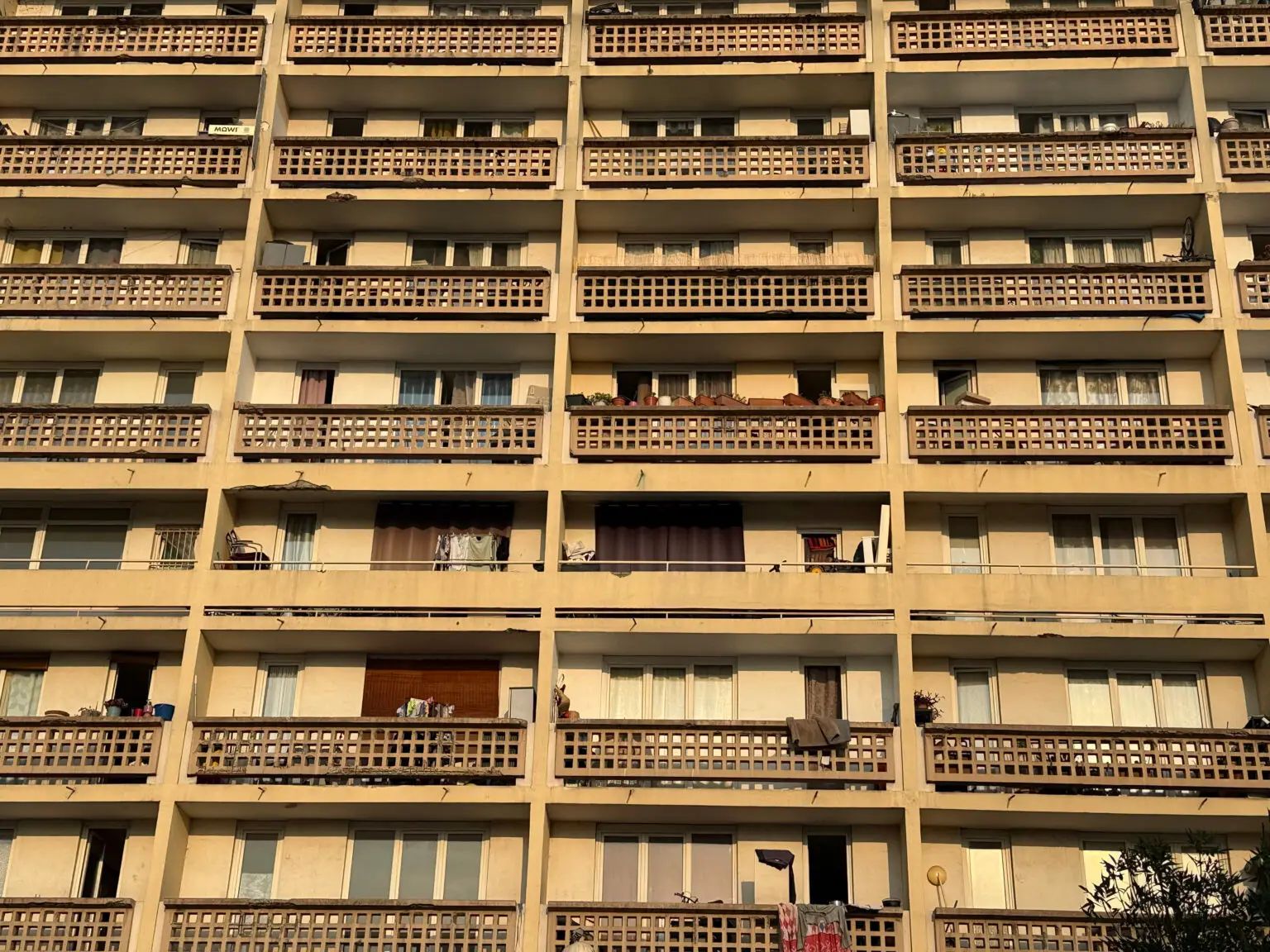
As Europe faces hotter summers, a new investigation by Unbias The News reveals a hidden crisis: indoor heat inequality. In neighborhoods across Paris and Barcelona, residents in poorly insulated homes endure temperatures up to 50 °C indoors, while wealthier areas stay cool. This isn’t just a climate story — it’s about housing, health, and justice.
But the behind-the-scenes story is also interesting. Back in January of this year, we at Seek Initiative posted our very first fellowship programme designed for journalists who wanted to learn how to work with citizens to expand and improve their environmental investigations.
We had only 3 spaces for fellows. We received more than 10x that amount in applications from excellent journalists all around the continent with great pitches. It was a difficult process to choose. We had rounds and rounds of reviews to try and pick the best ones.
We decided on 2 of the fellows, but were struggling to decide on the final 2. Both pitches were about the same story, but one was happening in Barcelona and the other in Paris. We got in touch with both journalists – Natalie Donback and Peter Yeung – to see if they would be open to working together on this as a cross-border collaboration. Luckily, they agreed!
What started as a training curriculum, a series of ideas and a modest request, evolved into an impactful, citizen-powered, cross-border collaborative investigation by these 2 journalists, made possible by the generous time and energy given to them by citizens of Barcelona and Paris, training and mentorship from Seek Initiative, editing and publishing from Unbias The News and funding from Journalismfund Europe.
This is the kind of journalism that we get really excited about – grassroots, hyper-collaborative, participatory, and with the potential to solve real-life problems in people’s lives. Through Seek’s fellowship, here’s what they uncovered:
- In working-class neighborhoods in Nou Barris (Barcelona) and Aubervilliers (on the outskirts of Paris), indoor temperatures routinely soared far beyond what is considered safe. In some homes, heat sensors given to residents by the journalists recorded above 30 °C, and in one extreme case nearly 52 °C on a summer day.
- Poor insulation, concrete-heavy buildings, roof-top living spaces exposed to direct sun, lack of ventilation, absence of shading — these structural conditions turn living spaces into heat traps. One family in Nou Barris described their poorly insulated rooftop apartment as unbearably hot in summer and freezing in winter.
- The biggest insight was that many households cannot afford effective cooling. Some sold or unplugged air-conditioning; others rely on fans, at the cost of skyrocketing electricity bills. For some, the choice is between overheating and poverty.
- The heat burden is worst for socially vulnerable groups such as low-income families, retirees, people with health conditions, or people living alone. Residents reported heat-related health issues: dizziness, fatigue, heart palpitations, disturbed sleep, elevated stress.
- While the central city introduced measures such as cooling centers, “cool islands,” urban reforestation, and even a “50 °C crisis drill”, those often don’t extend to outlying impoverished districts.
- In the less-resourced municipality of Aubervilliers, the local “Heatwave Plan” is described as minimal and underfunded; only very limited efforts at greening or climate shelters have been made.
- In Barcelona, although authorities announced a multi-year Heat Plan to increase shaded spaces, retrofit housing, and expand cooling shelters, those cover only part of the problem. Many still lack access to energy-efficient housing or can’t afford energy bills.
How did they work with citizens?
“While August is the hottest month of the year, it’s also the quietest month here in Spain as a lot of places shut down for vacation. That meant I had to spend a lot of time just walking around Nou Barris talking to people – in the streets, in shops, in bars. I created a flyer that described the project and linked to the survey via a QR code, and handed it out to people I spoke to, and left it in local businesses and in some of the climate shelters like libraries. It struck me how much heat really is on people’s minds – they are already worried about it and thinking about ways to cope with it. At first, people were a bit reluctant to have the heat sensors installed in their homes but once I explained how the data could help shine a light on the issue of indoor heat they were excited to collaborate. I’m now hoping to collaborate with more neighbourhood associations – most were closed in August when we wanted to record the temperatures – to communicate our findings to citizens and discuss ways they can use what we uncovered to push for better solutions to extreme heat in Nou Barris.” – Natalie Donback
“I was surprised by the enthusiasm and eagerness with which residents were willing to collaborate with me. Local shops, cafes and nonprofits helped me spread the news of our project by word of mouth, social media and letting me put up posters. They suggested that I translate my survey into other languages – Bangla, Mandarin and Arabic – in order to reach vulnerable groups, which I did. I was contacted by citizens with suggestions for places to visit and developments to write about, including the closure of one of the area’s community gardens, which I ended up citing in our investigation. Residents were also very happy to participate in the heat tracking, letting me into their homes and checking in on the sensors while they were installed over a few weeks. It is still early days, but since publication they have also been sharing our findings on social media. I see this as the beginning of a longer-term relationship where I am able to return and report more in the future.” – Peter Yeung
While most investigations use citizens as sources, this one took them in as co-investigators. You can find the full investigation on Unbias The News, along with a credit to each citizen that co-investigated with them.
Seek Initiative will be running this programme again in 2026, so please don’t hesitate to get in touch if this sounds interesting to you – either as a fellow, funder or newsroom partner. We’d love to hear from you: hello@seekinitiative.org.